
What Is Insulin Resistance, and Can Nutrition Help?
Insulin resistance is one of the most talked-about metabolic topics — but what does it actually mean? Learn what the science says and which nutrition and lifestyle habits can genuinely support insulin sensitivity.
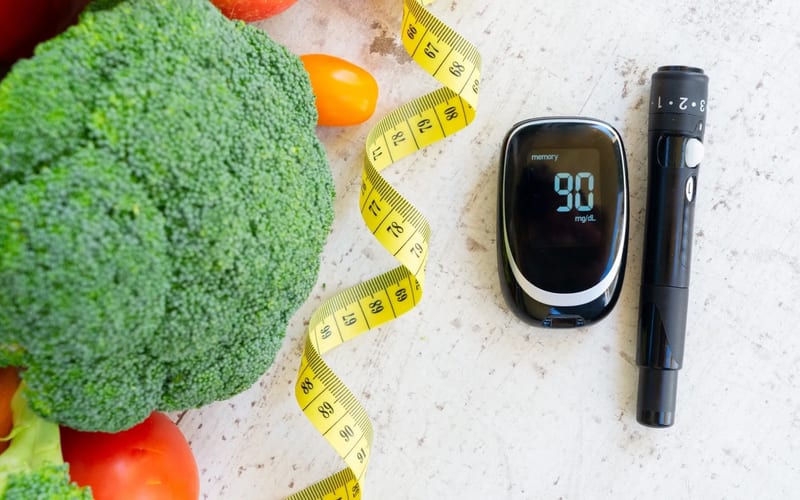
You have probably heard the term insulin resistance on social media, in conversations about weight management, or when learning about prediabetes and polycystic ovary syndrome (PCOS).
But what does insulin resistance actually mean? Can changing your diet help? And do you need to stop eating carbohydrates to improve your metabolic health?
Let us break down the science and explore practical steps you can take to support your health.
What Is Insulin Resistance?
Insulin is a hormone produced by the pancreas. One of its main functions is to help glucose move from your bloodstream into cells, where it can be used for energy or stored for later.
After you eat carbohydrate-containing foods, your blood glucose typically rises. Your pancreas releases insulin to help your body manage that increase.
With insulin resistance, certain cells — particularly in muscle, fat, and the liver — respond less effectively to insulin's signals.
To compensate, your pancreas may produce more insulin to help maintain blood glucose levels. Over time, some people develop elevated blood glucose and may progress to prediabetes or type 2 diabetes.
Insulin resistance can also be associated with other metabolic concerns, but it does not automatically mean someone has diabetes.
What Causes Insulin Resistance?
Insulin resistance usually develops through a combination of genetic, biological, and environmental factors.
Factors associated with insulin resistance include:
- Family history and genetic predisposition
- Physical inactivity
- Certain patterns of body fat distribution
- Prediabetes and other metabolic conditions
- Polycystic ovary syndrome
- Some medications and medical conditions
- Sleep disruption and other lifestyle or health factors
It is important to understand that insulin resistance is not simply a result of eating too much sugar or lacking willpower. People at different body sizes can experience insulin resistance, and not everyone with insulin resistance has the same risk factors.
What Are the Signs of Insulin Resistance?
Insulin resistance often has no obvious symptoms, especially in its early stages.
Some people may have associated conditions, such as prediabetes, elevated triglycerides, high blood pressure, or PCOS. A darkened, velvety patch of skin called acanthosis nigricans can also be associated with insulin resistance.
There is no single routine test that definitively identifies insulin resistance in every person. If you are concerned about your risk, talk with your healthcare professional about appropriate screening.
Can Nutrition Help Improve Insulin Sensitivity?
Yes. Nutrition can be an important part of supporting insulin sensitivity and overall metabolic health.
There is no single food or supplement that reverses insulin resistance for everyone. Instead, the goal is to develop an overall eating pattern that provides adequate nutrients, supports blood glucose management, and fits your life.
1. Include Fiber-Rich Foods
Fiber-rich foods can support blood glucose management, digestive health, and healthy cholesterol levels.
Good options include:
- Beans, lentils, and chickpeas
- Oats and barley
- Whole-grain bread and cereals
- Berries and other whole fruits
- Broccoli, carrots, and leafy greens
- Nuts and seeds
Try adding beans to soups, choosing oatmeal for breakfast, or including vegetables with lunch and dinner.
2. Pair Carbohydrates With Protein and Healthy Fats
You do not have to eliminate carbohydrates to support insulin sensitivity.
Instead of eating carbohydrates in isolation, build balanced meals that include protein, fiber, and healthy fats:
- Whole-grain toast with eggs and avocado
- Greek yogurt with berries and nuts
- Brown rice with chicken and vegetables
- A bean burrito bowl with peppers, salsa, and avocado
- Oatmeal with milk, chia seeds, and peanut butter
3. Choose Unsaturated Fats More Often
Unsaturated fats, particularly when they replace saturated fats, can support a heart-healthy eating pattern.
Consider incorporating:
- Olive oil
- Avocados
- Nuts and seeds
- Salmon and other fatty fish
- Nut butters
You do not need to avoid every food containing saturated fat. Focus on your overall eating pattern and include a variety of nourishing foods.
4. Limit Sugar-Sweetened Beverages When Possible
Regularly consuming sugar-sweetened beverages can make it easier to consume large amounts of added sugar without feeling particularly full.
If soda, sweet tea, or sugary coffee drinks are part of your routine, try gradually reducing the frequency or serving size. Water, sparkling water, and unsweetened tea can be useful alternatives.
5. Eat Consistently Enough to Meet Your Needs
Skipping meals or severely restricting food is not necessary to improve insulin sensitivity.
Your body needs adequate energy, protein, fats, vitamins, and minerals to support its normal functions. What matters is finding a pattern that meets your nutritional needs and works with your medications, activity level, and lifestyle.
Movement Can Make a Difference, Too
Physical activity is one of the most important lifestyle factors that can improve insulin sensitivity.
When your muscles contract during movement, they can take up glucose to use for energy. You might start with:
- Walking after meals
- Taking brief movement breaks throughout the day
- Cycling, swimming, or dancing
- Resistance training
- Choosing activities you enjoy enough to repeat consistently
What About Sleep and Stress?
Poor sleep can affect glucose regulation, appetite, and energy levels. Ongoing stress may also influence eating patterns and make healthy routines harder to maintain.
Consider creating a regular sleep schedule, getting natural light during the day, or setting aside time for relaxing activities. These practices complement nutrition and physical activity.
Do You Need Supplements to Improve Insulin Resistance?
Not necessarily. You may see supplements marketed for blood sugar control, including berberine, chromium, inositol, and various herbal blends. The evidence varies by supplement, condition, and dose.
Supplements can also interact with medications or cause side effects. If you are considering one, discuss it with your healthcare professional first.
The Bottom Line
Insulin resistance occurs when cells respond less effectively to insulin, making it harder for the body to regulate glucose. Nutrition can help — eating fiber-rich foods, including protein and healthy fats, choosing balanced meals, staying physically active, and getting adequate sleep are practical places to start.
You do not need to fear carbohydrates, buy expensive supplements, or follow a restrictive diet to support your metabolic health.
At Made for More Nutrition, I believe you deserve nutrition advice that is evidence-based, realistic, and personalized to your goals. Schedule a consultation to get started.
Disclaimer: This article is for educational purposes only and is not a substitute for individualized medical or nutrition advice.
Explore Topics
Written by
Morgan Repking, MS, RD, LD
Made for More Nutrition


